 (718) 761-5544 |
  matthewfh@matthewfuneralhome.com |
  2508 Victory Boulevard, Staten Island, NY 10314



Seniors: Protecting Your Driving Privileges
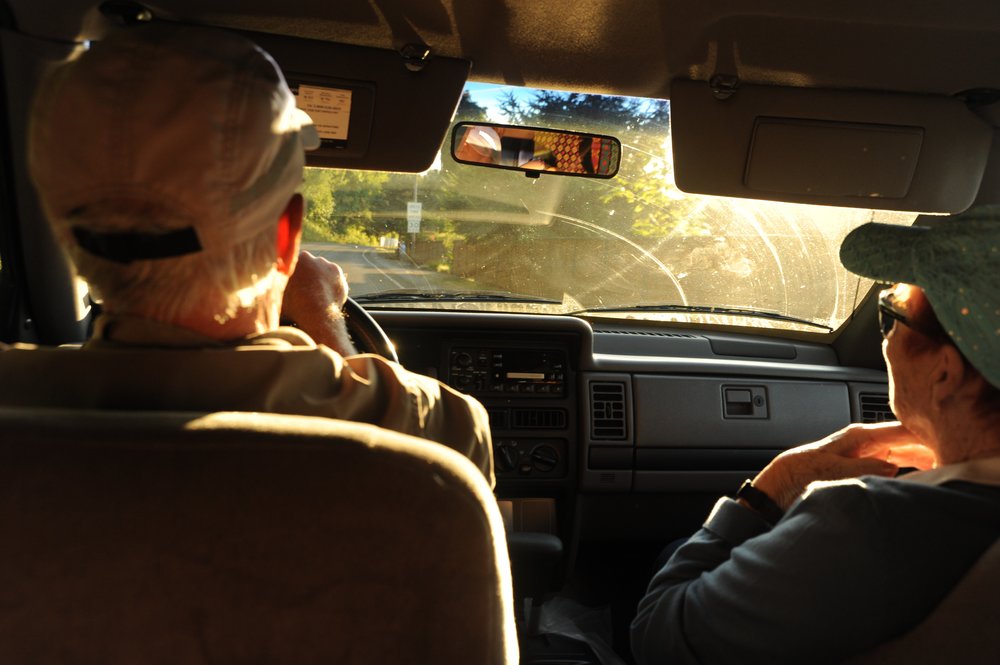
It is common for adults to ask their elderly parents to turn over the car keys. And while there are many reasons why this can be a good practice, this trend can be harmful to elderly individuals who can drive safely and effectively. This article will address the reasons why your driving ability lessens as you age, and what you can do to maintain it.
Why Families Take the Keys Away
The concern for families to take away the keys is not uncommon, or unreasonable. According to the National Highway Transportation Safety Administration, people over 65 have the highest number of crash fatalities of any age group. While the elderly aren’t the most likely to crash, they are more likely to be fatally injured or seriously wounded from an accident. As you age, your reaction time can worsen, which can increase your crash risk. Additionally, many elderly individuals suffer from worsening eyesight, especially at night. Knowing the reasons behind why your driving privileges may be at risk can provide you with a focus on what to work on.
Vision and Driving
It is natural for your eyesight to degrade as you get older. You may find yourself needing glasses to read, or getting stronger prescription glasses from your optometrist. It can become more difficult to read street signs or see road markings, especially at night. Macular degeneration, cataracts, or glaucoma can make your eyesight even worse. It is important to visit your eye doctor annually, and ask them for recommendations on preserving your vision. If you wear glasses, make sure that your prescription is up to date. Avoid frame styles that may block your peripheral vision. Try to avoid driving at dawn, dusk, or night; if possible.
Maintaining Your Car
Car maintenance and care can be important to reducing crash risks. Clean windows can reduce vision issues. Make sure that your car’s tire treads are in good condition. This can help with reducing braking time. Check that the car has sufficient power-steering fluid; which makes it easier for you to turn properly. Make sure that you take the car to a mechanic for any important issues that may pop up. Adjust your seat and steering wheel to better suit your needs, and consider adding a seat cushion if you think you need it.
Muscles, Joints, and Reflexes
Joint and muscle pain can make it difficult to operate a car safely. Weakened or achy joints and muscles can reduce your reflexes and make it harder to react in time to what’s happening on the road. It can be harder to make a turn or brake in time with your reduced mobility. To help remedy this, diet and exercise, at your physician’s recommendations, can help reduce aches and pains. It is also important to try to give yourself more space to react on the road. Drive a bit slower, and stay further back from the cars ahead of you.
Hearing and Safe Driving
Hearing is an important aspect of driving safely. You need to hear the sounds of the road, your car, emergency vehicle sirens, your blinker, and more. You should receive a hearing checkup every 1-2 years. You may need a hearing aid. Driving with the radio off can help reduce distractions and make it easier to hear what is happening around you.
Memory and Driving
Memory issues can be problematic when driving. If you find yourself forgetting your destination, or getting lost often; that can be a red flag. Other signs could be dents and dings on your car that you can't remember how you got, or an increased number of traffic citations.
Medications
Some medications make it more difficult to operate vehicles and other heavy machinery. Read all of the side effects of any medication you take, and talk with your doctor about potential alternatives that don’t limit your driving capabilities.
Driving Courses
You may want to take classes to better your driving abilities and help reduce crash risks. Consider taking a defensive driving course. This can also reduce your auto insurance rates. You may also want to consult with a driving rehabilitation specialist. They can help you identify weaknesses in your driving skills, and where you can improve.
For almost 50 years, Matthew Funeral Home has been serving the Staten Island community. We can help with almost every aspect of your loved one’s memorial service. Our family is here to serve yours, every step of the way.
Previous Posts
Do Funeral Plans Go In Your Will?
Anticipatory Grief and Terminal Loved Ones
Preplanning and Reducing Family Conflict
Food & Death in the Family
Burial at Sea: A Guide
Spring Cleaning After the Death of a Loved One
Supporting a Grieving Teen
Where to Scatter Ashes of a Loved One
Metal or Wood Caskets
Cremation with Traditional Funeral Services
Bereavement Services

Social Media


2508 Victory Boulevard,
Staten Island, NY 10314
Contact Us Day Or Night
 (718) 761-5544
 matthewfh@matthewfuneralhome.com
Comments